DRTB Stories

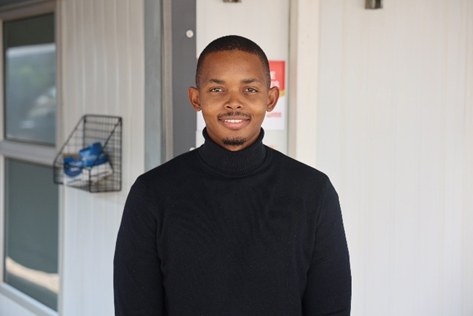
Bridging Communities and Research: Zithelo Zikalala’s Journey in TB Engagement

11

Ending drug-resistant TB (DR-TB) starts with the people affected by it. When communities are informed, involved, and heard, research becomes more than science, it becomes a solution that works for them. Community engagement builds trust, removes barriers to care, and ensures studies lead to real change.

Zithelo Zikalala has always placed connecting with people at the heart of his work. As the Community Engagement Manager for the DRTB-HDT study at The Aurum Institute Tembisa Clinical Research Site, he plays a role in ensuring that drug-resistant TB (DR-TB) research not only advances science but also serves the people who need it most.
Read the full story here

His journey into community engagement started with an internship through the Foundation for Professional Development, a programme dedicated to driving social change through education and capacity-building. Drawn to roles that allowed him to work directly with people, Zikalala found his passion in public health research.

“It’s about building relationships and ensuring communities understand and trust the research,” he explains.

In Tembisa, where the DRTB-HDT study is working to improve treatment options for DR-TB, recruiting and retaining participants presents unique challenges. Many potential candidates face severe illness, long hospital stays, and system miscommunication that make it difficult to enrol in clinical trials.

To overcome these challenges, Zikalala’s team has focused on strengthening partnerships with primary healthcare facilities and ensuring healthcare workers are well-informed about the study. A key part of their strategy is the Community Advisory Board (CAB), a group of local leaders, healthcare providers, and stakeholders who help bridge the gap between research and the community.

“The CAB has been vital in building trust and ensuring the community’s voice is heard,” says Zikalala.

By prioritising collaboration, transparency, and community engagement, the DRTB-HDT study is not only advancing DR-TB treatment but also setting a new standard for how research should be conducted, with people at the centre.

World TB Month 2025: Transforming Lives Through the DRTB-HDT Study

11

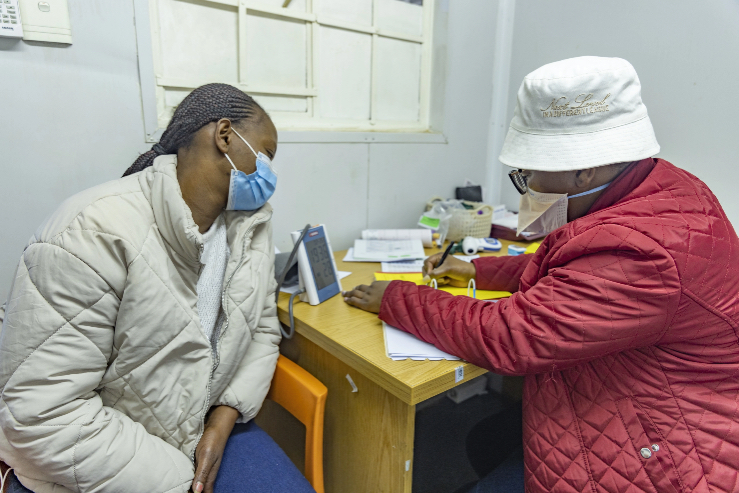
In young adulthood, this participants’ life took an unexpected turn when she was diagnosed with multidrug-resistant tuberculosis (MDR-TB). After months of persistent symptoms, she sought medical attention and was referred to Tembisa Hospital View. It was there that she became part of the DRTB-HDT Study, a groundbreaking research initiative focused on advancing the treatment of MDR-TB, with The Aurum Institute, Clinical Research Site in Tembisa.

For over a year, she has been part of this pivotal study, driven by the hope of accessing new, more effective treatments for MDR-TB. Her participation involved a thorough process, including informed consent, detailed medical history review, diagnostic tests, and regular check-ups.
Read the full story here

“I joined the study seeking better treatments and improved health,” she shares. Through sputum tests, chest X-rays, and blood work, the participants’ health has been closely monitored, with the study providing her access to advanced care and innovative treatment options that could change the future of MDR-TB care.

Her journey in the study has not been without its challenges. Despite the difficulties, she found strength in the unwavering support from the clinical team, who guided her through each stage of the process. “The team has been incredibly supportive, ensuring I understand each stage of the treatment and addressing any concerns along the way,” she explains.

Her participation in the DRTB-HDT Study is playing a crucial role in the ongoing fight against MDR-TB as we advance the knowledge on post-TB recovery. 

By taking part in this groundbreaking research, participants are helping advance treatment options for MDR-TB, offering hope to patients worldwide. Her story is a testament to the transformative power of research, dedicated clinical teams, and the hope it brings to patients battling against the odds.

World TB Month 2025: The Impact of the DRTB-HDT Study

11

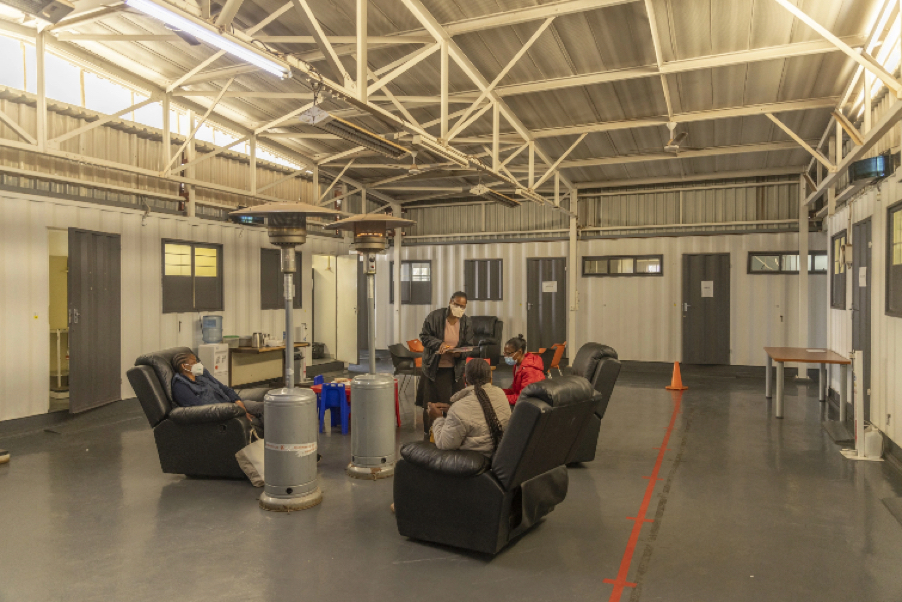
The DRTB-HDT Study is striving to end drug-resistant tuberculosis (DRTB) by providing participants with comprehensive care and contributing to global advancements in treatment. One of the research participants, from the Gauteng region, shares her experience in this transformative initiative.

The participant’s  journey began when she was diagnosed with TB, a life-changing moment that led her to the DRTB-HDT Study. A representative from The Aurum Institute, Clinical Research Site in Tembisa provided her with detailed information about the study, ensuring she felt confident in her decision to join. “They explained everything so clearly, and I knew I was making the right choice,” she recalls.

Read the full story here

Her motivation to join the study stemmed from her deep desire to overcome the illness for herself and to secure a healthier future for her children. She highlights the team’s compassionate approach, describing their patience and understanding as instrumental in her experience. 

Study visits included essential health checks, blood tests, and sputum collection. The participant valued the structured monitoring, which reinforced her adherence to treatment. “Whenever I had concerns, the team was always available to assist,” she says. This consistent support strengthened her trust in the process. “This study has given me hope, not just for myself, but for my family’s future.”

The DRTB-HDT Study represents a significant step in the global effort to eliminate TB. By prioritizing patient care and advancing vital research, it is driving progress in the global fight against TB, with dedicated participants like this one  at its heart.